
Admission Committee
The Admission Committee in a college holds a crucial position in shaping the academic environment by ensuring a transparent, fair, and merit-based selection process for incoming students. Its primary role is to design and implement admission policies in accordance with regulatory guidelines, institutional objectives, and current educational standards. In view of this admission committee is formed in the college that investigates publicizing admission procedures, setting eligibility criteria, verifying applicants' credentials, and administering entrance examinations or interviews where required. The committee also ensures that reservations, quotas, or other affirmative action measures are followed as per regulations. Team does meticulous review of applications, resolving ambiguities, and making executive decisions on candidate selection, the Admission Committee upholds integrity and inclusivity in the admission process. In addition, it plays an advisory role, providing prospective students with guidance and information to help them make informed decisions about their academic future. Overall, the committee's effective functioning is pivotal to maintaining the college’s reputation, diversity, and academic excellence.
Career Guidance Cell
A Career Guidance Cell one of the active cells in the college which college plays a pivotal role in shaping students' futures by equipping them with knowledge, resources, and skills to make informed decisions about higher education and professional paths. The cell’s responsibilities encompass a broad spectrum of support activities, including providing up-to-date information about academic courses, competitive exams such as GATE, CAT, GRE, and entrance opportunities for both Indian and international institutions. It conducts personalized career counselling, helps students articulate their aspirations, and aligns them with realistic career options based on individual interests and abilities.
Regular workshops, seminars, and industry interactions are organized to expose students to market trends, professional expectations, and job opportunities in both private and public sectors. The cell often facilitates skill development sessions focusing on resume building, interview techniques, and soft skills, while also assisting with the application process for further studies and scholarships. It maintains dedicated resource centres with books, online materials, and notice boards to disseminate employment news and entrance exam updates. By providing a structured platform for students to interact with mentors, alumni, and industry experts, the Career Guidance Cell fosters self-awareness, confidence, and career readiness among students, ultimately supporting their transition from academic life to meaningful career pursuits within the dynamic socio-economic landscape of India.
Placement Cell
Our Placement Cell in the college serves as a crucial intermediary between students and prospective employers, with its primary goal being to facilitate successful employment opportunities for graduating students through on-campus and off-campus recruitment drives. The cell’s core responsibilities include maintaining active liaison with industry partners, inviting established and emerging companies for campus placements, and managing the logistics of recruitment processes such as pre-placement talks, aptitude tests, group discussions, and interviews. It also compiles and updates databases of both eligible students and potential recruiters, prepares placement brochures highlighting student achievements and capabilities, and communicates relevant job opportunities and event schedules via digital and physical notice boards. Beyond coordinating placements, the cell organizes training programs focused on enhancing employability skills: conducting mock interviews, resume-building workshops, soft skills development sessions, and industry orientation programs to ensure students are well-prepared for real-world professional expectations.
Working closely with faculty and student coordinators, the Placement Cell monitors students’ progress, collects feedback from employers for continuous improvement, and sets eligibility criteria for participation in placements, including academic requirements and attendance in training sessions. Through these multifaceted activities, the Placement Cell not only secures career openings for students but also plays an instrumental role in grooming them for their chosen professions and building lasting connections between

Alumni Association
In the context of Indian colleges, the alumni association or alumni cell plays a transformative role in bridging the gap between the institution and its former students, fostering a vibrant ecosystem of mentorship, networking, and institutional development. Alumni contribute significantly by guiding current students through career counselling, sharing professional experiences, and often providing internship and job opportunities, thereby enhancing employability and real-world preparedness. Colleges actively maintain an updated alumni database, organize regular alumni meets, and facilitate continuous interaction through workshops, guest lectures, and online platforms, ensuring that graduates remain connected and engaged with their alma mater. Additionally, alumni associations are instrumental in raising funds, supporting infrastructure projects, and collaborating in college development activities, which can enhance the institution's reputation and resource base. Executive committees comprising roles such as President, Secretary, Treasurer, and coordinators oversee the smooth functioning of these associations, handle communications, manage events, maintain transparent records, and cultivate a sustained sense of belonging among alumni and students alike. Through these multifaceted contributions, alumni not only drive college growth, reputation, and student support but also serve as ambassadors who uphold and promote the institution's values in broader professional and social arenas.
Sexual Harassment Committees
The Sexual Harassment Committee, officially recognized as the Internal Complaints Committee (ICC) or Anti-Sexual Harassment Committee, is a cornerstone of safeguarding dignity, safety, and gender equality on college campuses. Its foremost responsibility is to ensure a learning and working environment free from gender-based discrimination, fear, or intimidation, where every student, faculty, and staff member feels secure and valued. The committee proactively drafts and implements robust policies in line with the Sexual Harassment of Women at Workplace (Prevention, Prohibition and Redressal) Act, 2013, and conducts regular awareness drives, sensitization workshops, and training sessions to educate the campus community about rights, reporting channels, and the gravity of offenses. In the event of a complaint, the committee provides an easily accessible, confidential, and non-biased grievance redressal platform. Investigations are conducted with the utmost sensitivity, transparency, and adherence to legal protocols, ensuring timely and fair outcomes. The committee also offers psychological support to survivors, recommends disciplinary action as necessary, and guides the administration on further preventive measures. By promoting a culture of respect, awareness, and open communication, the Sexual Harassment Committee goes beyond mere statutory compliance; it plays a pivotal, ongoing role in preventing harassment, empowering individuals, and upholding the values of a safe, inclusive, and progressive academic environment.
ST/ SC Committee
In the quest of educational equity and support, the SC/ST Committee, operating under the umbrella of the Student Welfare Committee, has been a beacon of guidance for students belonging to the reserved categories. This committee is not just a body within the institution; it is a movement towards inclusivity and empowerment.
Awareness and Enrolment in Reserved Categories. The committee’s first and foremost objective is to raise awareness among prospective students about the enrolment process for reserved categories during admission. Through meticulously crafted notices and informative sessions, the committee ensures that every student is well-informed about their rights and the opportunities available to them.
Scholarship Assistance and Problem Resolution Furthermore, the committee takes an active role in encouraging students to avail themselves of various scholarships earmarked for SC, ST, and OBC categories. Recognizing the financial hurdles that often impede the academic journey of many, the committee members dedicate themselves to not only spreading awareness but also assisting in the application process.
Should any issues arise regarding scholarships, the committee stands ready to intervene. The concerned committee members are equipped to address and resolve problems, ensuring that students receive the support they deserve without undue delay or complication.
Anti-Ragging Committees
The Anti-Ragging Committee in a college is a statutory body established in Victoria College of education since the inception of the courses. The prime objective of the committees is to ensure strict compliance with laws and regulations aimed at preventing ragging, as mandated by the University Grants Commission (UGC) and respective state or central government directives. The committee’s primary responsibilities include creating and maintaining a campus environment that is free from any form of ragging, encompassing physical, psychological, verbal, or cyber abuse among students. It achieves this by designing strategies and action plans for prevention, conducting awareness programs, and educating students about the dehumanizing effects and consequences of ragging. The committee closely monitors all areas of the institution—including hostels, classrooms, canteens, and recreational spaces—and exercises vigilance through surprise inspections and the support of anti-ragging squads to promptly identify and deal with instances of ragging. Any complaint received is investigated thoroughly, with guilty individuals facing stringent punishments, such as expulsion, suspension, loss of academic privileges, withdrawal of scholarships, or even criminal proceedings. The committee also ensures students are informed about complaint procedures and maintains confidentiality throughout the redressal process, sending a strong and clear message that ragging in any form will not be tolerated and will attract severe consequences.


Counselling & Women’s Cell
The Counselling and Women Cell in the college stands as a dedicated pillar for student support and empowerment, particularly prioritizing the unique challenges and needs faced by women on campus. By offering confidential counselling sessions, the cell provides a safe space where students can openly discuss emotional, academic, or personal difficulties—be it stress, anxiety, relationship concerns, or adjustment issues—receiving guidance, encouragement, and empathetic listening from skilled counsellors and trained faculty members. Beyond individual support, the cell takes proactive steps to ensure women’s safety and dignity, conducting awareness programs on gender sensitivity, self-defence workshops, and seminars on legal rights and personal well-being. Its ongoing collaboration with student volunteers and annual inclusion of new members not only keeps the cell dynamic and approachable but also cultivates core values such as participation, leadership, empathy, and resilience among its members. This structure ensures that students themselves are empowered to act as support systems and advocates within their peer groups. Ultimately, the Counselling and Women Cell fosters a culture of respect, inclusion, and self-assurance, contributing significantly to the creation of a more compassionate, secure, and responsive campus community where every individual—especially women—feels valued, heard, and empowered to excel.
Student Welfare Cell
The Student Welfare Cell stands at the heart of a college’s commitment to nurturing not only the academic but also the personal and holistic development of its students. Tasked with the broad mandate of safeguarding student interests, this cell provides comprehensive guidance, support, and counselling services aimed at helping students surmount both academic hurdles and personal challenges, whether they stem from stress, interpersonal issues, or adaptation to college life. Through a proactive and empathetic approach, the cell organizes a rich array of programs and outreach initiatives—including motivational workshops, stress management sessions, health camps, cultural activities, and peer support groups—designed to foster mental, emotional, and social well-being among the student cohort. Moreover, the Student Welfare Cell serves as a confidential and approachable resource where students can safely voice their concerns and seek timely intervention. By advocating for inclusivity, healthy interactions, and the creation of a supportive peer network, the cell helps in cultivating a vibrant, positive, and student-friendly campus environment where every individual feels valued and empowered to thrive. Ultimately, the Student Welfare Cell plays a transformative role in shaping resilient, confident, and well-adjusted individuals ready to meet both academic and life’s broader challenges with optimism and strength.
Grievance Redressel Cell
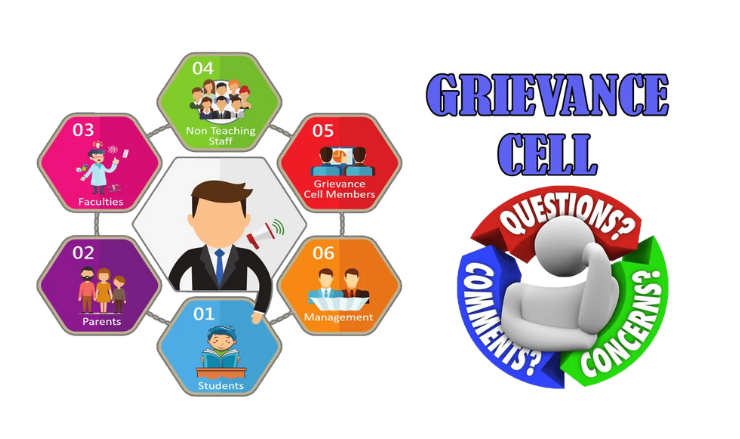
The Grievance Redressal Committee serves as a crucial pillar in fostering a just and harmonious campus environment, dedicated to addressing and resolving the diverse concerns of both students and teachers. By establishing a well-defined, fair, and transparent mechanism for addressing academic, administrative, or personal issues, the committee gives stakeholders the confidence that their voices are heard and their grievances taken seriously. All concerns—whether they pertain to classroom dynamics, administrative inefficiencies, evaluation discrepancies, interpersonal misunderstandings, or cases of discrimination—are reviewed with integrity, confidentiality, and impartiality. The committee encourages open communication by providing accessible channels for submitting complaints and by ensuring that each case is handled promptly and judiciously. Through regular meetings, thorough investigations, and meaningful dialogue, the Grievance Redressal Committee not only resolves disputes but also strengthens the institutional culture of respect, accountability, and trust. By upholding the dignity and rights of every member of the academic community, the committee plays a pivotal role in creating a supportive and nurturing environment that enables academic excellence, emotional well-being, and collective progress. This initiative stands as a testament to the college’s dedication to fairness, inclusivity, and the holistic development of all its members.
Complementing the outdoor facilities, the college houses a dedicated indoor sports complex featuring a professional-grade badminton court with and tournament-quality lighting. The multipurpose indoor space accommodates various games such as table tennis, carrom, and chess, catering to diverse student interests. This climate-controlled environment ensures year-round access to physical activities regardless of weather conditions, encouraging consistent participation in sports.

College Cultural Society
The Cultural Society at Victoria College of Education, Bhopal, stands as the vibrant epicentre of campus life, channelling the collective energy and creativity of both students and faculty into a dynamic force for engagement and growth. With a clear focus on fostering cultural awareness, inclusivity, and active student participation, the society curates a diverse spectrum of events—from annual functions and festivals to talent showcases, traditional day celebrations, and inter-college competitions. It goes beyond entertainment by thoughtfully embedding observances of national and international days, using these occasions as powerful platforms for reflection, discussion, and the dissemination of important values among students. The society’s initiatives such as rallies, street plays, exhibitions, and seminars further elevate its impact, raising consciousness about vital social issues and igniting civic responsibility within the campus community. By providing a nurturing ground for talents in music, dance, drama, debate, and art, the Cultural Society not only celebrates artistic expression but also cultivates essential skills in leadership, event management, and collaboration among student volunteers. Faculty mentors play an integral role in steering the society’s vision, ensuring that every activity strikes a meaningful balance between cultural enrichment and learning. Continuous innovation is driven through regular meetings and creative brainstorming, empowering students to take ownership of their college experience while building bridges with the broader community. Through purposeful programming and spirited participation, the Cultural Society instils pride, unity, and a lasting sense of belonging, ultimately shaping Victoria College of Education into a campus renowned for its vibrant, well-rounded, and socially conscious atmosphere.
Sports Society
The Sports Society of Victoria College serves as a cornerstone for advancing physical well-being, camaraderie, and holistic development among students. With the college’s focus on BPES and an unwavering commitment to athletic excellence, the society strategically enhances both sports infrastructure and the range of activities available on campus. By organizing regular tournaments, athletic meets, and inter-college competitions, it creates dynamic opportunities for students to discover, hone, and display their sporting talents across multiple disciplines. The Sports Society’s encouragement of participation at zonal, university, and national levels not only raises the competitive standards but also instils a sense of pride and aspiration within the student community. Comprehensive training sessions and expert-led coaching are integral, fostering discipline, endurance, and a spirit of fair play while nurturing future sports leaders. Additionally, collaboration with faculty ensures meticulous planning and seamless execution of every event. Beyond physical benefits, engagement in sports cultivates resilience, strategic thinking, and teamwork—qualities vital for success both on and off the field. By making sports an intrinsic part of campus identity and student life, the Sports Society truly enriches the educational experience at Victoria College, shaping confident, well-rounded individuals ready to excel in all arenas.